Agriculture & Farming
Economic Backbone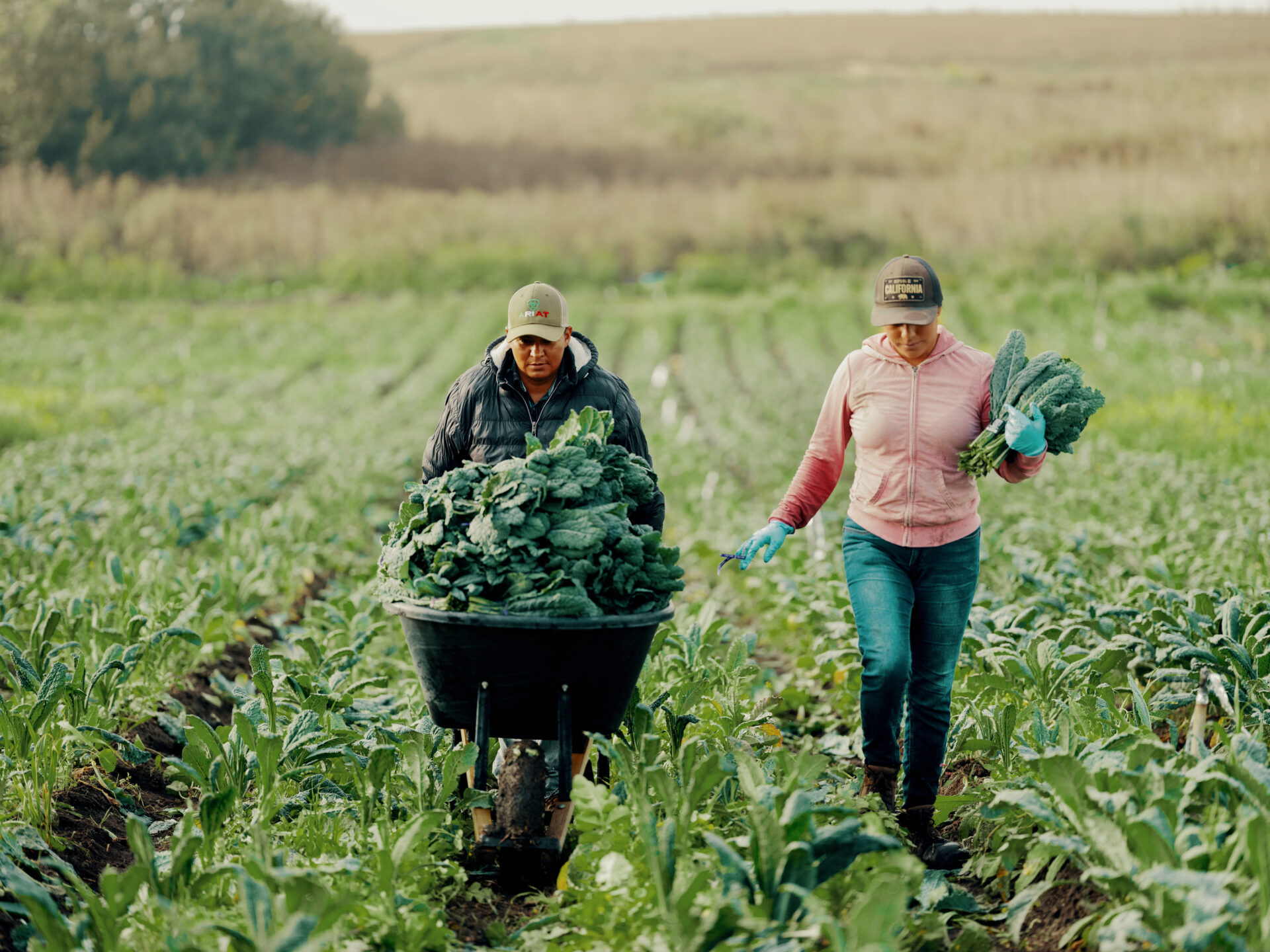
Key Regions: Central Highlands, Rift Valley
Practices: Tea, coffee, maize, and dairy farming
Challenges: Climate change, market access
Farming communities grow crops and raise livestock to supply fresh produce to Nairobi City Market, a bustling hub where traders and buyers meet. Meanwhile, in Lamu, fishing thrives as local fishermen harvest the rich Indian Ocean waters, providing seafood to coastal and inland markets. Both sectors support livelihoods and feed Kenya’s growing population.
Cultural Heritage
Traditional Roots
Communities: Maasai, Luo, Kikuyu, Swahili
Traditions: Music, dance, storytelling, crafts
Preservation: Community-led cultural festivals
Communities play a vital role in Kenya's economy, from farming villages growing maize and vegetables to fishing cooperatives in Lamu hauling in fresh catches. In Nairobi, bustling city markets connect these producers with urban consumers, creating a vibrant trade network. Whether in rural fields, coastal docks, or crowded market stalls, communities work together to sustain livelihoods and feed the nation. Their shared efforts strengthen cultural ties and drive local development.
Urban Livelihoods
Innovation Hubs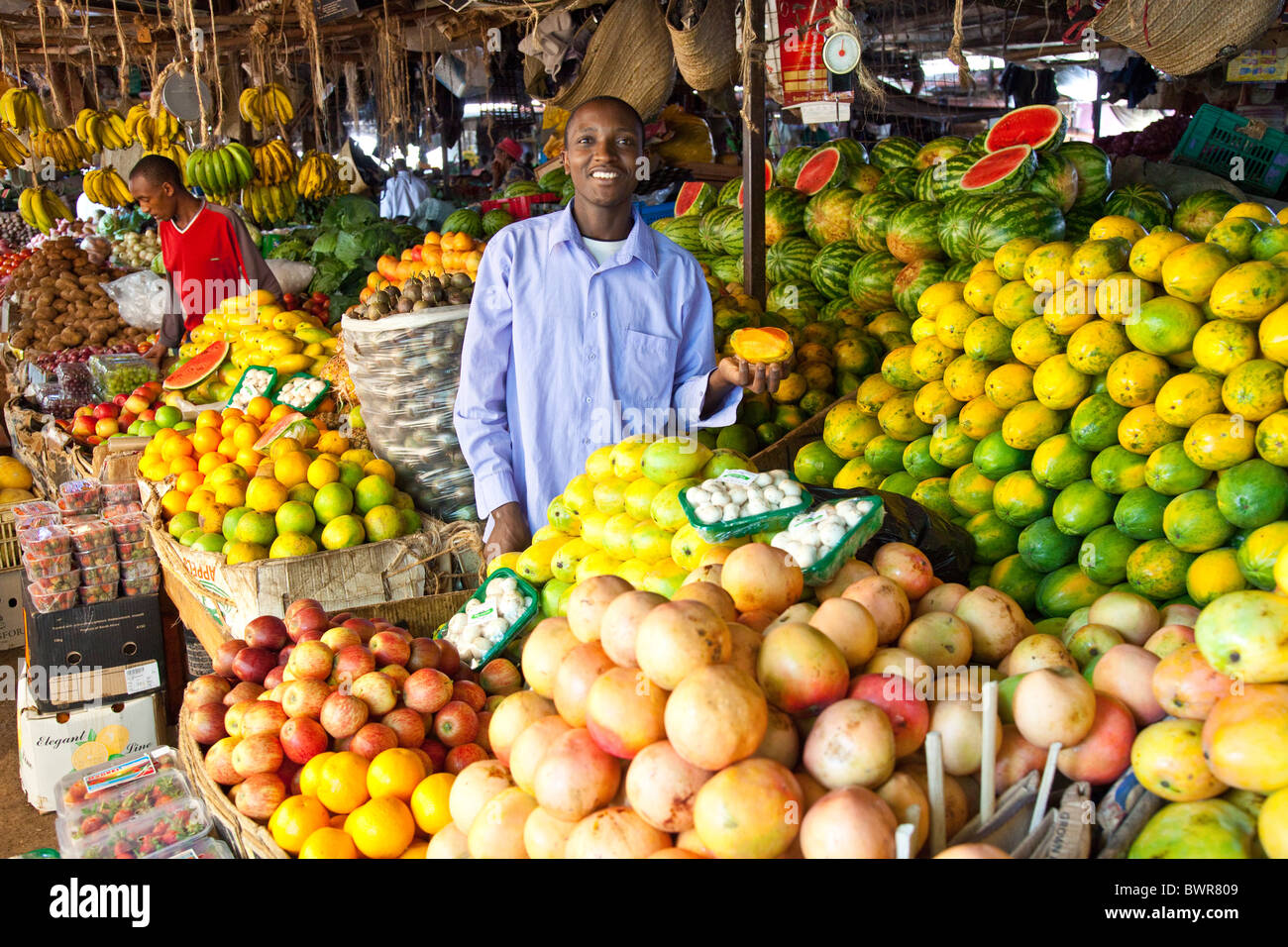
Cities: Nairobi, Mombasa, Kisumu
Economy: Tech startups, trade, services
Challenges: Unemployment, housing
Nairobi City Market, a vibrant trading hub in Kenya's capital, buzzes with activity as farmers, traders, and shoppers converge daily. Farmers from nearby communities bring fresh produce—beans, maize, bananas, and greens—while fishermen from coastal regions like Lamu supply dried and fresh seafood. The market’s lively stalls and bargaining voices reflect Kenya’s agricultural richness, bridging rural and urban economies. As a key distribution point, it ensures fresh food reaches city dwellers while supporting small-scale producers. Beyond commerce, it’s a cultural melting pot where traditions, flavors, and stories intertwine.
Coastal Communities
Tourism & Fishing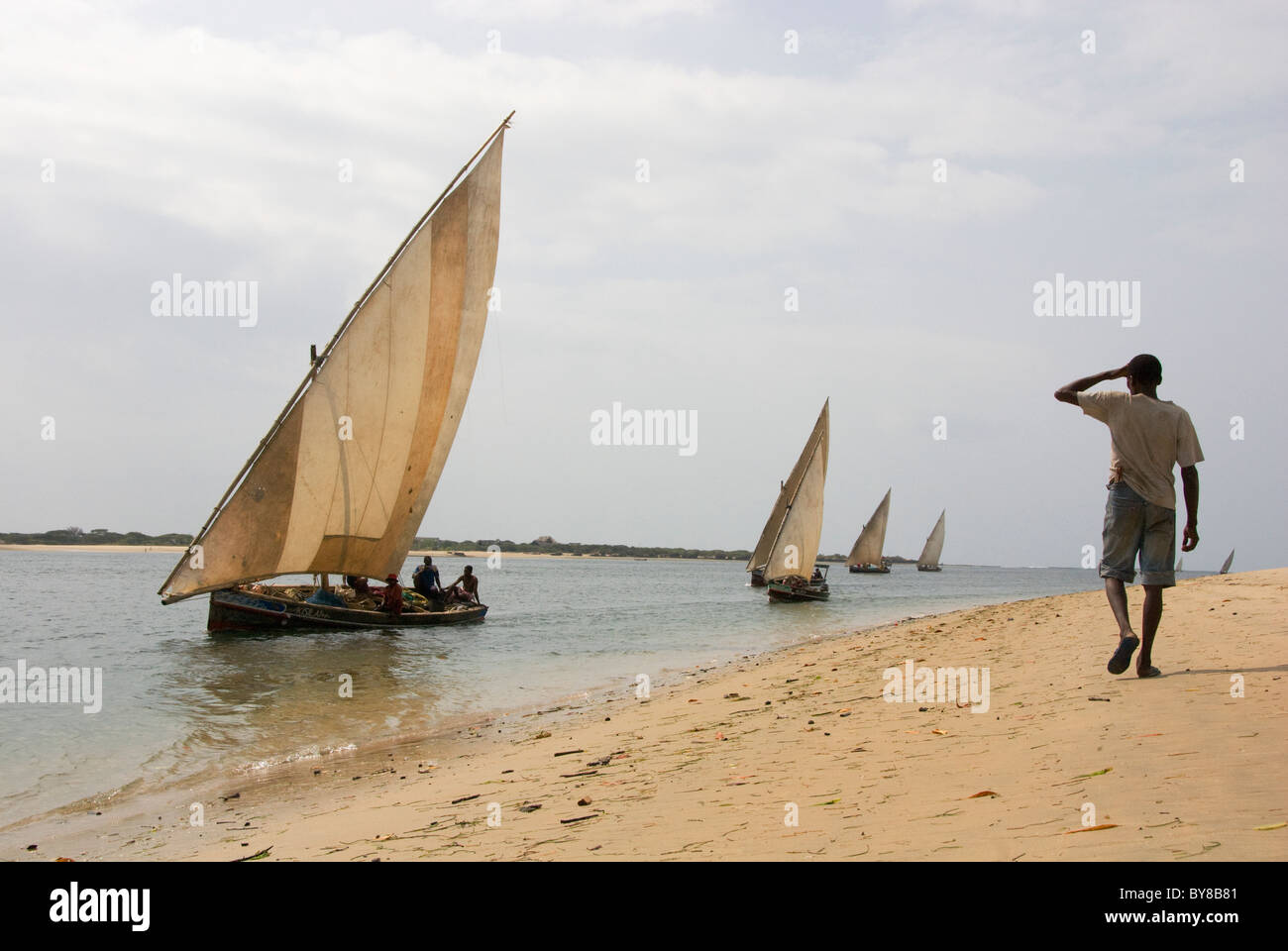
Livelihoods: Fishing, tourism, coconut farming
Culture: Swahili architecture, festivals
Threats: Overfishing, coral reef degradation
Fishing in Lamu is more than an industry—it’s a centuries-old way of life where the rhythm of the tides dictates daily routines. Dhows with billowing sails glide across the turquoise waters of the Indian Ocean, as fishermen cast nets or line-fish for snapper, tuna, and prawns, just as their ancestors did. The catch—fresh or sun-dried—fuels Lamu’s economy, from bustling local markets to Swahili seafood feasts served in beachside restaurants. Here, every haul tells a story of resilience, culture, and the deep bond between people and the sea.